Alkaline Battery Recycling Plants:
ALC-X Line by Compton Industriale
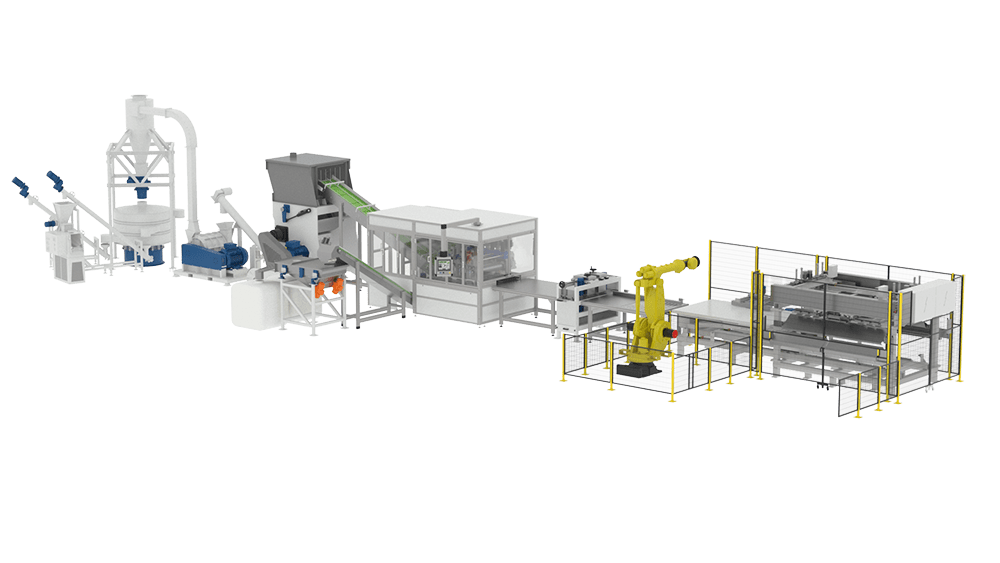
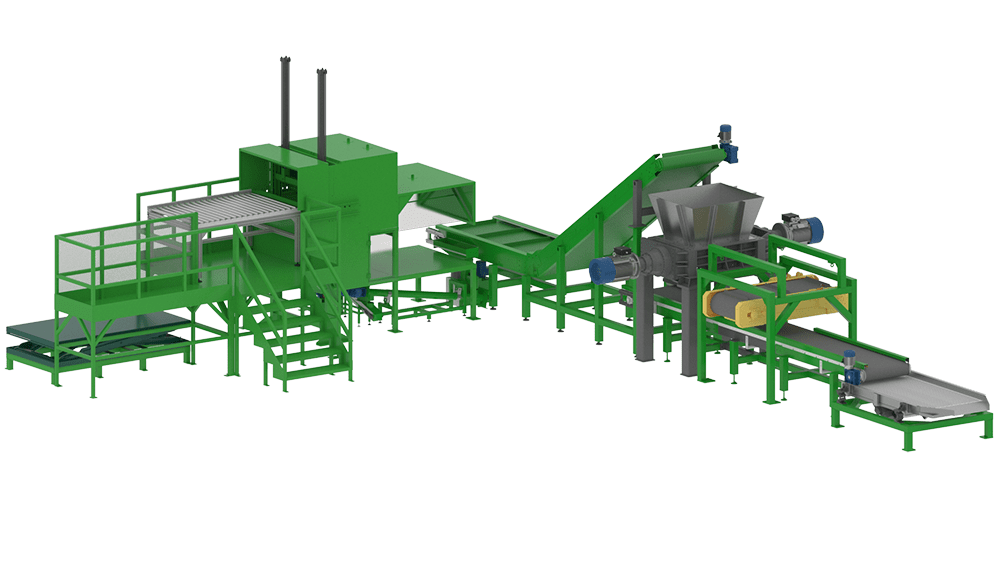
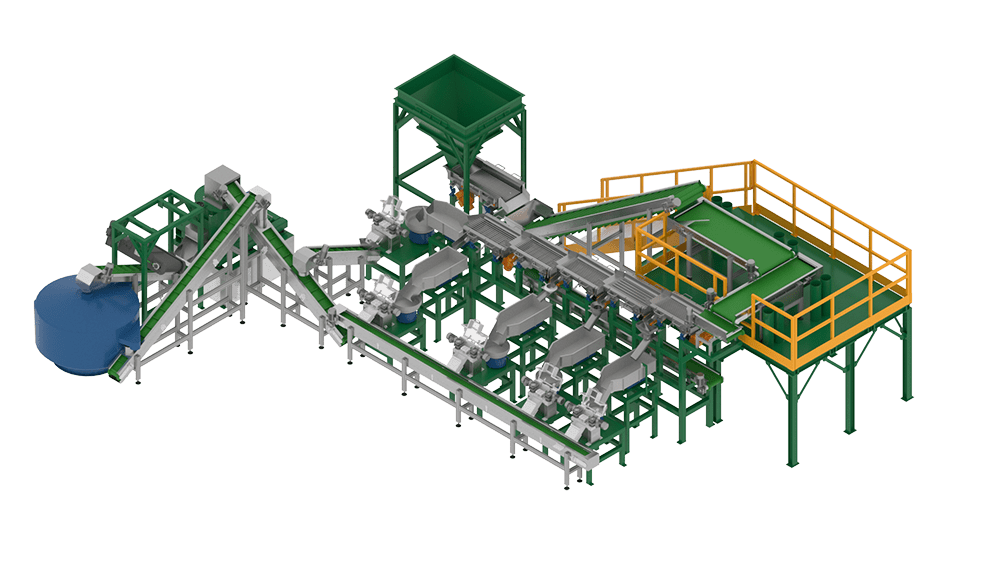
The ALC-X line represents the technological solution for the efficient and sustainable recovery of all materials that make up batteries that have reached the end of their useful life.
PART ONE – SORTING:
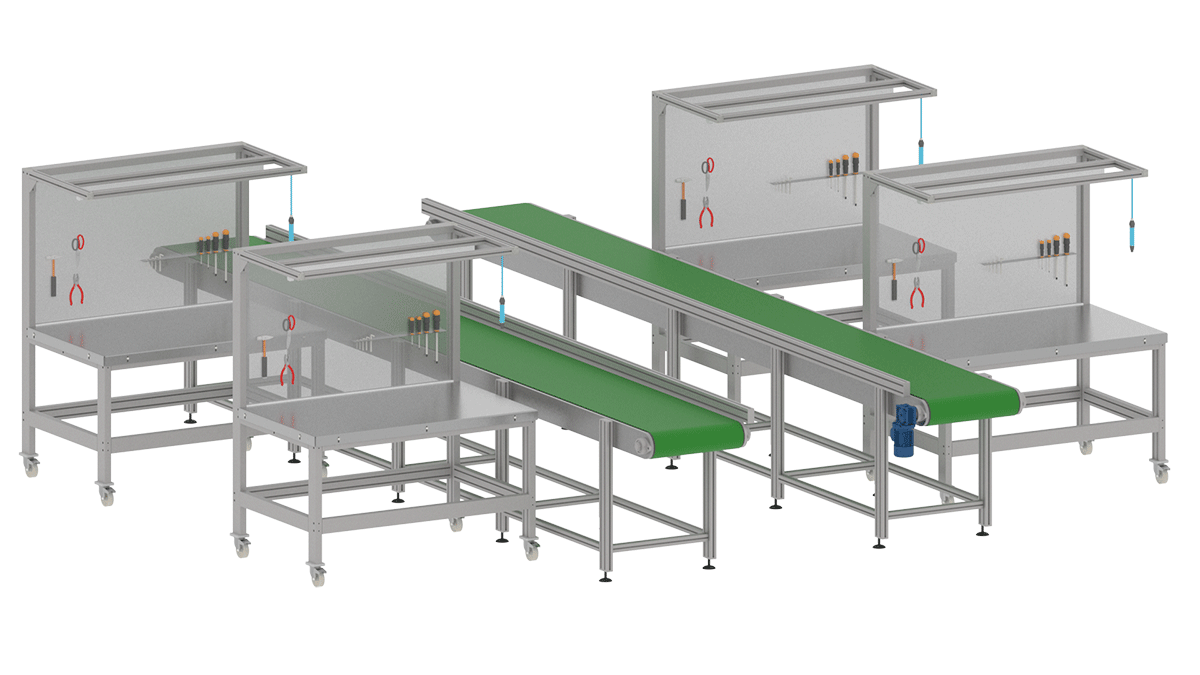
The line consists, in the initial part, of a belt system for sorting (The process can be 100% automated with the help of anthropomorphic robots) and a line of screens to divide the batteries by size.
PART TWO – CUTTING:
The batteries then enter a vibrating system, which aligns them, bringing them into the cutting system. By 2 cogs the battery is pushed against 2 blades and split in half.
PART THREE – SEPARATION:
Finally, a chain disintegrator separates the materials that make up the battery, which are divided into 2 containers by a circular vibrating screen.
FINAL PRODUCT:
The following materials can be recovered at the end of the process: Iron (Derived from the battery casing), Metals (Brass/zinc from the electrode), Plastics (Derived from the outer films), Black Mass (Internal material of alkaline batteries)
MACHINE TYPE: ALC-X
PRODUCTION CAPACITY: 2 BATTERIES PER SECOND*
INSTALLED POWER: 50 KW
WIDTH: 14700 MM
LENGTH: 11200 MM
HEIGHT: 5000 MM
WEIGHT: 18275 KG
NOISE: 82 DB**
VOLTAGE: 400 VOLTS (THREE-PHASE)
* Data referred to the capacity of 1 cutting station
** Indicative data to be collected on the working environment where the machinery is installed
Why Recycle Alkaline Batteries?
Alkaline batteries are a frequently used component that when it reaches the end of its life represents a potential environmental hazard if not disposed of properly.
Recycling alkaline batteries makes it possible to:
- Reduce pollution: Batteries contain heavy metals, such as mercury, cadmium and lead, and these metals, if not disposed of properly, can contaminate soil and groundwater.
- Recycling allows these metals to be extracted and given to dedicated treatment chains, preventing their release into the environment.
- Recovery of valuable raw materials: Alkaline batteries contain valuable metals such as zinc, manganese and nickel, which can be recovered and reused in the production of new batteries and other products.
- Conservation of natural resources: The extraction of virgin raw materials has a significant impact on the environment. Recycling batteries helps reduce demand for new resources, preserving the environment for future generations.
Final Product
At the end of the recycling process with the ALC-X line, the following are obtained:
- Iron: Derived from the battery enclosure.
- Metals: Brass and zinc from the electrode.
- Plastics: Derived from the outer films.
- Black Mass: Internal material of alkaline batteries.
Benefits of the ALC-X Line
- High recovery rate: The ALC-X line makes it possible to recover up to 95% of the materials contained in alkaline batteries.
- Automated process: The system is designed for efficient operation with minimal human intervention.
- Flexibility: The line can be configured to handle different types of alkaline batteries and adapt to specific production needs.
- Respect for the environment: Recycling with ALC-X helps reduce pollution and conserve natural resources.
PART ONE - SORTING:
The line consists, in the initial part, of a belt system for sorting (The process can be 100% automated with the help of anthropomorphic robots) and a line of screens to divide the batteries by size.
PART TWO - CUTTING:
The batteries then enter a vibrating system, which aligns them, bringing them into the cutting system. By 2 cogs the battery is pushed against 2 blades and split in half.
PART THREE - SEPARATION:
Finally, a chain disintegrator separates the materials that make up the battery, which are divided into 2 containers by a circular vibrating screen.
FINAL PRODUCT:
The following materials can be recovered at the end of the process: Iron (Derived from the battery casing), Metals (Brass/zinc from the electrode), Plastics (Derived from the outer films), Black Mass (Internal material of alkaline batteries)
MACHINE TYPE: ALC-X
PRODUCTION CAPACITY: 2 BATTERIES PER SECOND*
INSTALLED POWER: 50 KW
WIDTH: 14700 MM
LENGTH: 11200 MM
HEIGHT: 5000 MM
WEIGHT: 18275 KG
NOISE: 82 DB**
VOLTAGE: 400 VOLTS (THREE-PHASE)
* Data referred to the capacity of 1 cutting station
** Indicative data to be collected on the working environment where the machinery is installed
Why Recycle Alkaline Batteries?
Alkaline batteries are a frequently used component that when it reaches the end of its life represents a potential environmental hazard if not disposed of properly.
Recycling alkaline batteries makes it possible to:
- Reduce pollution: Batteries contain heavy metals, such as mercury, cadmium and lead, and these metals, if not disposed of properly, can contaminate soil and groundwater.
- Recycling allows these metals to be extracted and given to dedicated treatment chains, preventing their release into the environment.
- Recovery of valuable raw materials: Alkaline batteries contain valuable metals such as zinc, manganese and nickel, which can be recovered and reused in the production of new batteries and other products.
- Conservation of natural resources: The extraction of virgin raw materials has a significant impact on the environment. Recycling batteries helps reduce demand for new resources, preserving the environment for future generations.
Final Product
At the end of the recycling process with the ALC-X line, the following are obtained:
- Iron: Derived from the battery enclosure.
- Metals: Brass and zinc from the electrode.
- Plastics: Derived from the outer films.
- Black Mass: Internal material of alkaline batteries.
Benefits of the ALC-X Line
- High recovery rate: The ALC-X line makes it possible to recover up to 95% of the materials contained in alkaline batteries.
- Automated process: The system is designed for efficient operation with minimal human intervention.
- Flexibility: The line can be configured to handle different types of alkaline batteries and adapt to specific production needs.
- Respect for the environment: Recycling with ALC-X helps reduce pollution and conserve natural resources.
How Does the ALC-X Line Work?
The ALC-X line is a complete and automated system that consists of several stages:
- Sorting and Screening:
Batteries are initially separated from other waste by conveyor belts and screening systems.
Sorting can be manual or 100% automated using anthropomorphic robots for greater efficiency and accuracy.
The batteries are then sorted according to their size to optimize the subsequent treatment process. - Cutting:
Batteries are aligned and prepared for cutting by a vibrating system.
Two precision rotating blades split the batteries in half, exposing internal materials. - Separation
A chain disintegrator separates the internal components of the batteries, including metals, plastics, and so-called “black mass.”
A circular vibrating screen divides the separated materials into two streams:
Ferrous material: Derived from the outer casing of the battery.
Mixed fraction: Composed of metals (zinc and brass), plastics and black mass. - Materials Recovery:
The mixed fraction is further processed to separate metals from plastics and black mass.
Recovered metals can be sent to dedicated recycling supply chains for the production of new products.
The black mass can be used for energy production or disposed of in licensed facilities.
Request information about our recycling lines
Do you have questions about our waste recycling equipment? Would you like a personalized consultation to find the best solution for your needs? Please feel free to contact us for more information. Our experienced team is ready to help you find the perfect solution.