
Photovoltaic systems are certainly a clean energy source, a pillar towards a transition to increasingly sustainable energy. However, photovoltaic panels do not last forever; they generally have a finite life cycle of around 25-30 years. What happens when they stop producing energy? People often wonder whether the disposal of these devices risks negating the environmental benefits produced during their activity.
Managing their end of life is a truly significant environmental and industrial challenge. The answer is undoubtedly conscious recycling: a challenge that the industry is already winning.
Regulations and Responsibility (WEEE)
In Italy and Europe, photovoltaic panels are classified as WEEE (Waste Electrical and Electronic Equipment). The law requires manufacturers to be responsible for financing and managing the end of life of the panels. If built with quality materials, the panels will certainly have a longer life but can be disposed of more easily, thanks to superior construction standards.
Compton Industriale is active in the design and construction of WEEE waste recycling plants and has been committed for years to integrating sustainability into every aspect of its business strategy, representing a reliable and innovative partner in the recycling and circular economy sector.
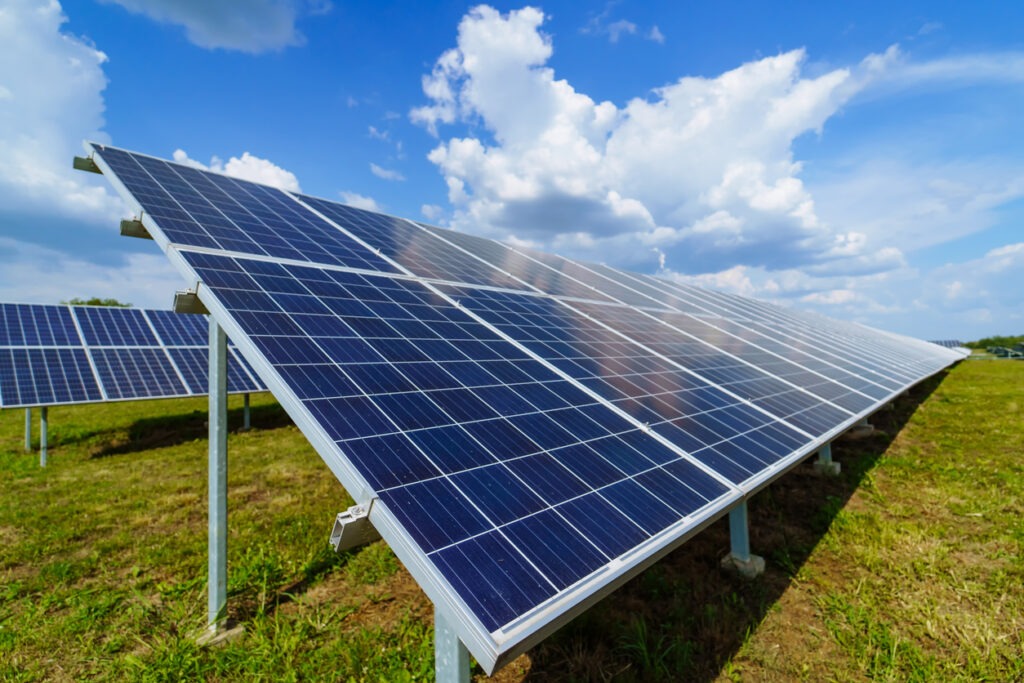
The wave of photovoltaic waste
By 2050, it is estimated that tons of modules will reach the end of their life cycle and will need to be managed correctly because they represent real urban mines, being composed mainly of inert and precious materials. The panels are made of:
Material | Weight (kg) | Percentage (%) |
Glass | 911 kg | 60,73 % |
Silicon | 225 kg | 15,00 % |
Aluminum | 188 kg | 12,53 % |
Plastics | 135 kg | 9,00 % |
Connection cables | 18 kg | 1,20 % |
Metals (Cu + Sn) | 15 kg | 1,00 % |
Electrical boards | 8 kg | 0,53 % |
Environmental impact: risk or opportunity?
A photovoltaic module contains materials that, if poorly managed and abandoned in landfills, can pose an environmental risk. In particular, panels can release traces of lead or cadmium into the soil or water (in minimal quantities in modern models, but still present).
However, there is a greater negative impact, which would result from the waste of resources. By not recycling, high-value materials are lost, and recovering these materials leads to:
- a reduction in mining activity;
- lowering the carbon footprint of new module production;
- avoiding potential contamination.
How does photovoltaic panel recycling work?
Recovery technologies are divided into three main phases:
- Mechanical Process: Removal of the aluminum frame and copper cables, followed by glass crushing.
- Thermal Process: Used to burn the plastics (EVA) that hold the components together, freeing the silicon cells.
- Chemical process: Specific acid baths to separate the silver and purify the silicon, making it ready for new industrial use.
The photovoltaic module recycling process therefore involves several operations, ranging from the removal of external components to the separation of materials by type (glass, metal, plastic). Specific treatments are then carried out to recover silicon from the cells and most of the valuable materials, and the non-reusable fractions are disposed of in accordance with WEEE regulations.
Circular economy: what does the future hold?
Compton Industriale provides technologies, equipment, and technical expertise to efficiently mechanically separate photovoltaic module materials and reduce their real environmental impact.
Photovoltaics is not just clean energy, it is a commitment to the future. Transforming an old panel into a new resource is the final step in closing the sustainability loop. It will therefore become increasingly important to optimize photovoltaic recycling processes and improve the overall efficiency of such systems, including by integrating emerging technologies such as big data and artificial intelligence.